Lidl's Sustainable Path: Reducing Food Waste and Promoting Responsibility
A Comprehensive Look at Lidl’s Strategies in Achieving Sustainability Goals
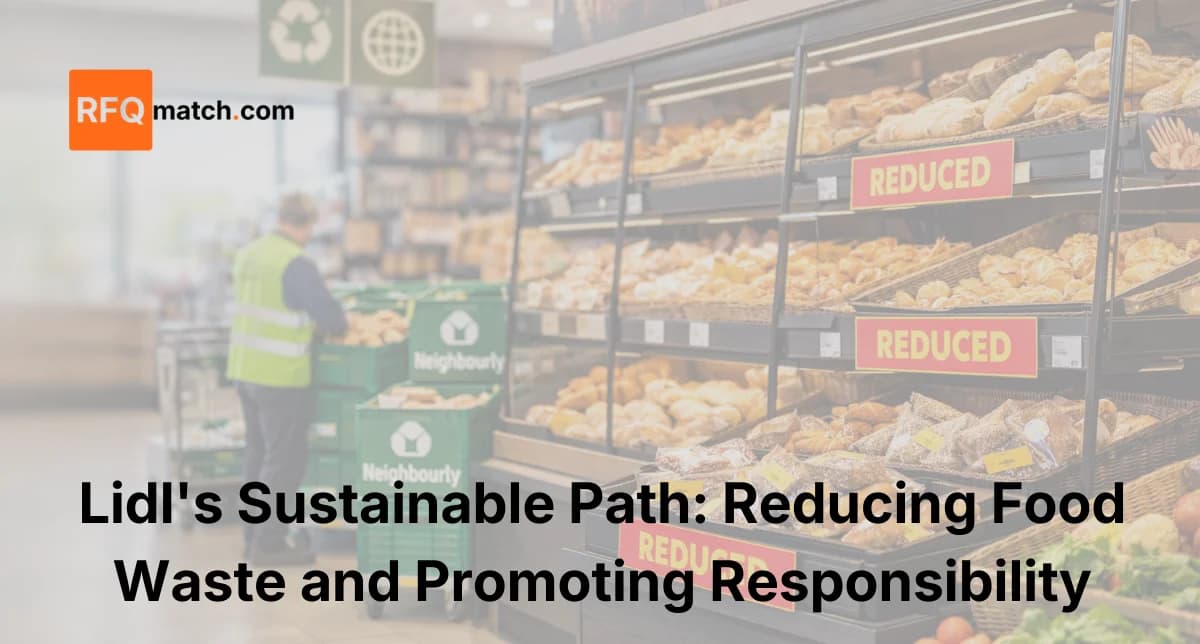
Lidl, a leader in the retail sector, is making significant strides toward sustainability, focusing on reducing food waste. The company aims to cut food waste by 70% by 2030, aligning with global sustainability goals like the United Nations’ Sustainable Development Goal 12—Responsible Consumption and Production. This commitment underscores Lidl's dedication to environmental stewardship and highlights a broader industry shift toward sustainable practices. As corporate responsibility gains traction, Lidl’s approach serves as a model for the retail industry.
Ambitious Targets and Strategic Initiatives
By setting a target to reduce food waste by 70% by 2030, Lidl positions itself ahead of many industry standards as an innovator. Matt Juden-Bloomfield, Head of Responsible Sourcing and Ethical Trade at Lidl, explains that achieving this goal requires a multifaceted strategy involving technology, partnerships, and community engagement. These efforts enhance Lidl’s corporate social responsibility profile and emphasize the retail sector’s critical role in global sustainability.
stat
Ambitious Waste Reduction Goal Lidl aims to cut food waste by 70% by 2030, surpassing industry standards.
| Initiative | Description | Impact |
|---|---|---|
| 70% Reduction Target | Aim to reduce food waste by 2030 | Aligns with UN SDG 12 |
| Neighbourly Partnership | Redistribute unsold food to local causes | Community engagement |
| Surplus Saviours | Divert surplus food to communities | Reduces landfill waste |
| Feed it Back Scheme | 50 million meals donated | Enhances social welfare |
Collaborative Efforts and Partnerships
Building Effective Alliances
Collaboration is a cornerstone of Lidl’s sustainability strategy. A notable partnership with Neighbourly, an organization connecting businesses with local causes, exemplifies effective community engagement. This collaboration allows Lidl to redistribute unsold food, ensuring resources benefit those in need rather than going to waste. Estelle Herszenhorn, Senior Technical Specialist at WRAP, endorses Lidl’s innovative waste management solutions, highlighting the synergy of combined expertise in achieving ambitious sustainability goals.
insight
Partnerships Enhance Sustainability Collaboration with Neighbourly ensures unsold food benefits local causes, reducing waste effectively.
Innovative Waste Management Approaches
Surplus Saviours and Circular Economy
Lidl’s programs, like the Surplus Saviours initiative, effectively address food insecurity and waste reduction by diverting surplus food from landfills to local communities, optimizing resource use. Additionally, converting surplus bakery items into animal feed supports the circular economy, showcasing practical supply chain solutions. These strategies highlight the retail sector’s potential to integrate waste reduction methods that enhance sustainability and community welfare.
In-Store Strategies for Waste Reduction
Data-Driven Inventory Management
Lidl employs precise in-store strategies to minimize waste using data-driven inventory management. By analyzing customer demand patterns, Lidl adjusts product availability and pricing dynamically. End-of-day discounts on bakery items prevent waste and offer affordable options to consumers, aligning with diverse needs. These tactics demonstrate how thoughtful pricing strategies can drive both sustainability and customer satisfaction, setting a standard for environmentally conscious retail operations.
tip
Leverage Data for Less Waste Using data-driven inventory management, Lidl dynamically adjusts product availability to minimize waste.
Community Impact and Future Outlook
Feed it Back Initiative and Long-Term Vision
Lidl’s Feed it Back scheme, which has donated 50 million meals, showcases the dual benefits of corporate sustainability efforts. This initiative proves that businesses can achieve positive social outcomes while meeting their goals. By partnering with charitable organizations and focusing on redistribution, Lidl enhances social welfare and environmental responsibility.
Looking ahead, Lidl's ongoing commitment to sustainability promises significant impacts across the retail sector. Strengthening partnerships and pursuing ambitious targets will likely cement Lidl's leadership in the industry’s sustainability transition. The ripple effects on communities, consumers, and the environment underscore the urgency of these efforts. By demonstrating substantial environmental and societal benefits while maintaining commercial viability, Lidl sets a compelling example for other retailers.
stat
50 Million Meals Donated Through the Feed it Back scheme, Lidl has successfully donated 50 million meals, highlighting its commitment to social impact.
Q: How does Lidl plan to achieve its 70% food waste reduction target by 2030?
A: Lidl aims to reach its target through a combination of technology, strategic partnerships, and community engagement. They employ data-driven inventory management and collaborate with organizations like Neighbourly to redistribute surplus food. This comprehensive approach reflects their commitment to sustainability and social responsibility.
Q: What role do partnerships play in Lidl’s sustainability strategy?
A: Partnerships are integral to Lidl’s strategy, exemplified by their collaboration with Neighbourly, which facilitates the redistribution of unsold food to local causes. These alliances enhance Lidl's impact by leveraging combined expertise and resources to achieve ambitious sustainability goals.
Q: What are some innovative approaches Lidl uses for waste management in their stores?
A: Lidl uses data-driven inventory management to adjust product availability and pricing based on demand, minimizing waste. Additionally, initiatives like converting surplus bakery items into animal feed contribute to a circular economy, demonstrating resourcefulness in reducing waste.
Q: What impact have Lidl’s sustainability initiatives had on their community?
A: Through the Feed it Back scheme, Lidl has donated 50 million meals, significantly benefiting local communities. These initiatives not only reduce waste but also address food insecurity, showcasing the dual social and environmental benefits of their sustainability efforts.
Q: What are the potential long-term benefits of Lidl’s sustainability initiatives for the retail sector?
A: By pioneering these efforts, Lidl sets a standard for environmental responsibility that could catalyze widespread change in the retail industry. Their focus on sustainability promises not only enhanced community welfare but also long-term commercial viability.
Conclusion
Lidl’s approach to reducing food waste provides a comprehensive sustainability model for the retail industry. Through technological innovation, strategic partnerships, and community-centric programs, Lidl illustrates the potential for achieving significant environmental and social outcomes. Its efforts emphasize that sustainable business practices are essential for long-term commercial and environmental success. As Lidl continues its journey, it stands as a testament to the power of purposeful action in shaping a sustainable future for retail and beyond.
Source: procurementmag.com

RFQmatch.com
RFQmatch.com is a platform that connects buyers who submit Requests for Quotation (RFQs) with qualified suppliers, making sourcing faster, easier, and more transparent.
View company profileRelated Articles

The impact of the EU Machinery Regulation 2023/1230 on RFQ questions, supplier selection and monitoring compliance
4 min read

10 Ways Buyers Can Assess and Check Security Compliance of New Suppliers
3 min read

Top 10 Reasons Suppliers Lose RFQ Opportunities
3 min read
Energy Audits Pricing Guide: Understanding Costs and ROI
6 min read
Energy Audit Decision: Simplifying the Choice
3 min read