Automation Fuels GXO's Logistics Growth
Discover how GXO leverages automation for efficiency and innovation in the evolving logistics landscape.
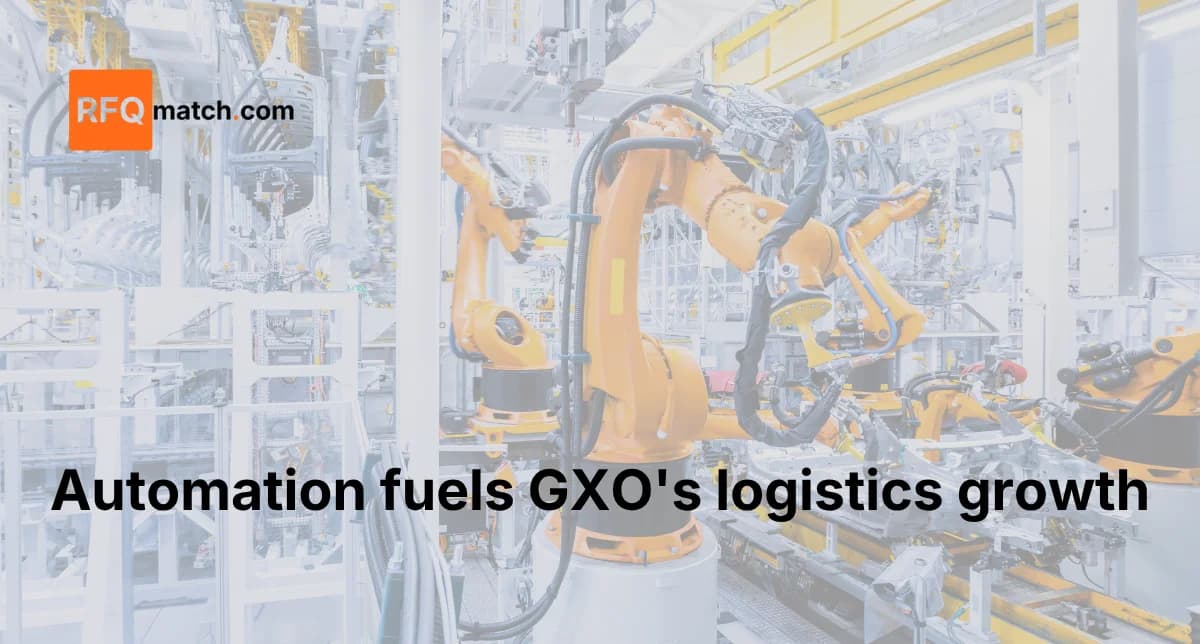
Automation Driving Growth at GXO
Leveraging Technology for the Next Phase of Logistics Evolution
Introduction
GXO Logistics, a leader in supply chain solutions, is experiencing significant growth by strategically integrating automation into its operations. In today's rapidly evolving logistics landscape, automation enhances efficiency, improves accuracy, and reduces costs. This technological advancement is central to GXO's strategy to meet the increasing demands of global supply chains.
GXO's Strategic Approach
As the logistics industry transforms, GXO exemplifies forward-thinking by aligning technological integration with business objectives. This approach allows GXO to meet current market demands while preparing for future challenges. Automation streamlines operations, minimizes human error, and expedites processes, reinforcing GXO's position as a leader in the logistics sector.
Automation Boosts Efficiency
GXO uses automation to streamline operations, reduce errors, and speed up processes, solidifying its leadership in logistics.
The Role of Automation in Logistics
Automation is revolutionizing logistics by enhancing operational efficiency. GXO is at the forefront of this transformation, employing advanced technologies.
Robotics and Automation
Robotics is extensively used for tasks like picking, packing, and sorting, reducing human error and accelerating order fulfillment. Automated Guided Vehicles (AGVs) and robotic arms manage large inventory volumes with precision and speed.
Data-Driven Insights
GXO leverages machine learning algorithms for inventory management and predictive analytics to forecast demand accurately. These technologies enable GXO to anticipate market fluctuations and adjust operations accordingly.
IoT Integration
The integration of Internet of Things (IoT) devices offers real-time tracking and monitoring of shipments, enhancing visibility throughout the supply chain. IoT sensors monitor conditions in storage facilities, ensuring the quality of perishable goods during transit.
Utilize IoT for Visibility
Integrating IoT devices provides real-time tracking, enhancing supply chain visibility and monitoring conditions of goods.
New Opportunities in the Logistics Sector
The logistics sector is poised for growth, driven by trends like e-commerce expansion and demand for fast delivery services. Automation presents significant opportunities for innovation.
Emerging Technologies
The rise of autonomous vehicles and drones for last-mile delivery promises cost savings and improved service speed. Drones can deliver packages in hard-to-reach areas, enhancing customer experience.
Blockchain for Transparency
Adopting blockchain technology enhances transparency and security in transactions. By implementing blockchain, GXO ensures the integrity of supply chain data, reducing fraud risk and improving stakeholder trust.
Blockchain Ensures Trust
Implementing blockchain enhances transparency and security, reducing fraud risk and boosting stakeholder confidence.
Implications for Industry Professionals
The shift towards automation in logistics has profound implications for industry professionals. Stakeholders, including suppliers, customers, and employees, must adapt to changing dynamics.
Supplier and Employee Adaptation
Suppliers need to align with technologically advanced operations for seamless integration into automated systems. Employees must upskill to manage and operate these systems, with training programs playing a vital role.
Adapt or Fall Behind
Professionals must upskill and adapt to automation shifts or risk obsolescence in the evolving logistics industry.
Staying Informed
Industry professionals must remain informed and agile, ready to embrace new technologies that redefine traditional logistics models. Networking events, industry conferences, and professional development opportunities are essential.
Q: How is GXO using robotics to improve logistics operations?
A: GXO uses robotics for tasks such as picking, packing, and sorting to reduce human error and speed up order fulfillment. Automated Guided Vehicles (AGVs) and robotic arms handle large inventory volumes with precision.
Q: What role does IoT play in GXO's logistics strategy?
A: IoT devices are integrated to offer real-time tracking and monitoring of shipments, improving supply chain visibility. Sensors also help monitor storage conditions, ensuring the quality of perishable goods.
Q: Why is automation critical for the future of logistics?
A: Automation enhances operational efficiency, reduces costs, and prepares companies for future challenges. It also opens up opportunities for innovation, such as autonomous vehicles and blockchain for transparency.
Q: How can logistics professionals stay informed about technological advancements?
A: Professionals should engage in networking events, attend industry conferences, and pursue professional development opportunities to stay updated on new technologies.
Q: What are the implications of automation for suppliers and employees?
A: Suppliers must align with technologically advanced operations for seamless integration, while employees need to upskill to manage automated systems effectively.
Conclusion
GXO's strategic emphasis on automation underscores its commitment to innovation and growth. By integrating cutting-edge technologies, GXO enhances operational efficiency and secures its position as a leader in the logistics industry. As the sector evolves, automation plays a pivotal role in shaping the future. GXO's approach serves as a blueprint for other companies seeking to thrive in a technologically driven environment, paving the way for a sustainable and prosperous future.
Published on June 11, 2026, this article by Louise Collins informs professionals and stakeholders in the logistics and automation industries about the transformative impact of automation on GXO's growth strategy.
Source: supplychaindigital.com

RFQmatch.com
RFQmatch.com is a platform that connects buyers who submit Requests for Quotation (RFQs) with qualified suppliers, making sourcing faster, easier, and more transparent.
View company profileRelated Articles

The impact of the EU Machinery Regulation 2023/1230 on RFQ questions, supplier selection and monitoring compliance
4 min read

10 Ways Buyers Can Assess and Check Security Compliance of New Suppliers
3 min read

Top 10 Reasons Suppliers Lose RFQ Opportunities
3 min read
Energy Audits Pricing Guide: Understanding Costs and ROI
6 min read
Energy Audit Decision: Simplifying the Choice
3 min read