India's EV Market in 2026: Growth & Insights
Explore the explosive growth in India's electric passenger vehicle market and its evolving competitive landscape in FY 2026.
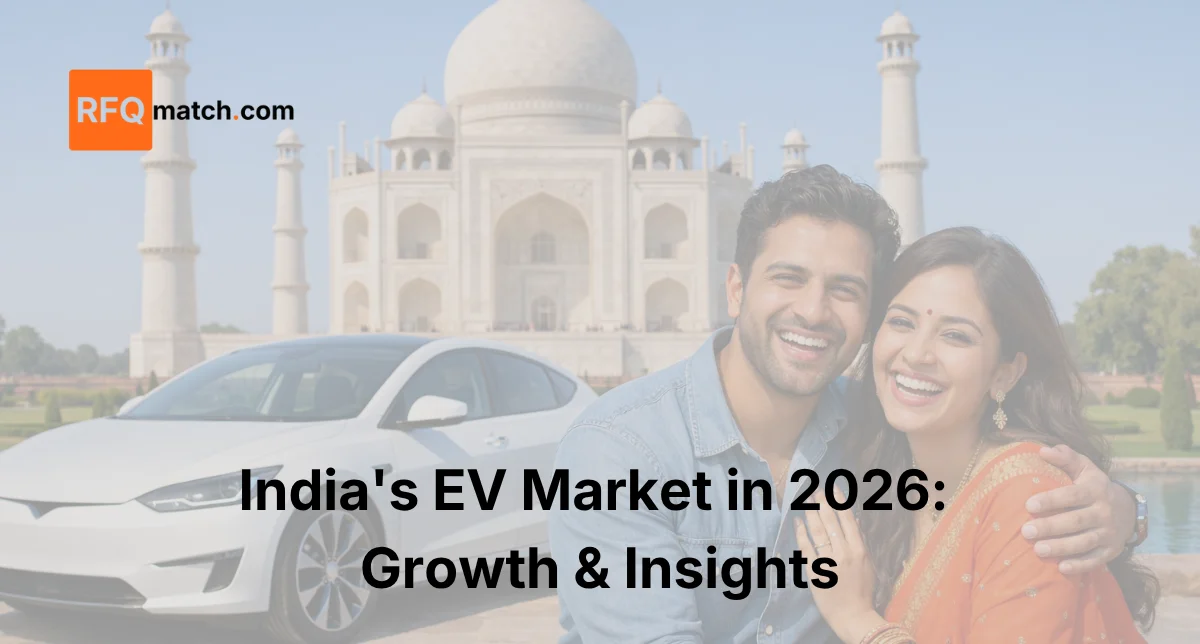
India's Electric Vehicle Revolution: Fiscal Year 2026 Insights
Unveiling the Surge in India's Electric Passenger Vehicle Market
Accelerated Growth and Market Expansion
In fiscal year 2026, India's electric passenger vehicle (e-PV) market experienced remarkable growth, marking a new era in electric mobility. Sales soared to 199,333 units, an impressive 83% increase from the previous year, solidifying India's role in the global electric vehicle arena. This surge reflects a growing consumer shift towards environmentally friendly options, driven by increased environmental awareness, technological advancements, and supportive government policies. As one of the world’s most populous countries, India's transformation in transport dynamics is set to make a significant impact.
stat
e-PV Market Soars In FY2026, India's e-PV sales surged by 83%, reaching 199,333 units.
Luxurious Lanes: The High-End e-PV Market
A noteworthy aspect of this growth is the expansion of the luxury e-PV segment, which reached a record 5,404 units in fiscal year 2026, representing a 61% year-over-year increase. The rise in this segment illustrates a growing demand for premium electric vehicles, driven by affluence and greater eco-consciousness among consumers. BMW India emerged as a leader, capturing a commanding 65% market share. By focusing on electric innovation and brand prestige, BMW posted sales of 3,537 EV units—a 124% increase from the previous year. This success highlights BMW India's ability to meet the expectations of both luxury-conscious and environmentally aware consumers.
success
Luxury Segment Boom The luxury e-PV market grew by 61% in FY2026, with 5,404 units sold, highlighting a shift towards premium electric vehicles.
| Company | Market Share FY2025 | Market Share FY2026 | Change |
|---|---|---|---|
| BMW India | N/A | 65% | N/A |
| Mercedes-Benz | 34% | 19% | -15% |
| Volvo India | 12% | 7% | -5% |
| Tesla | N/A | 6% | N/A |
Shifts in Market Dynamics: A Competitive Landscape
Winners and Losers: A Competitive Analysis
While BMW India maintained its leading position, other competitors faced varying outcomes. Mercedes-Benz, for example, saw its market share drop from 34% in FY2025 to 19% in FY2026, possibly due to strategic missteps or a slow pace in adopting new technologies. Volvo India's market share decreased from 12% to 7%, suggesting challenges in product offerings, pricing strategies, or consumer engagement. In contrast, Tesla's introduction of the Model Y e-SUV secured a 6% market share, highlighting its potential to challenge traditional players with brand strength and innovation. Interestingly, Jaguar Land Rover (JLR), despite its limited electric portfolio, recorded overall sales growth of 6%, indicating strong brand appeal and potential growth as it expands its electric lineup.
warning
Incumbents Face Decline Mercedes-Benz's market share fell from 34% to 19%, pointing to challenges in staying competitive.
| Segment | Units Sold FY2026 | Growth Rate |
|---|---|---|
| Total e-PV | 199,333 | 83% |
| Luxury e-PV | 5,404 | 61% |
| BMW India (Luxury e-PV) | 3,537 | 124% |
| JLR (Overall Brand) | 5 | 6% |
Trends and Forecasts: Navigating the Future
Shaping Tomorrow's e-PV Landscape
Emerging trends in the Indian e-PV market present both opportunities and challenges. An increasing focus on strategic partnerships, both local and international, is expected. Such collaborations could enable Indian manufacturers to leverage advanced engineering and design expertise from global technology leaders. Battery technology remains crucial to this evolution. Ongoing R&D aimed at improving efficiency, capacity, and cost-effectiveness will be vital. Furthermore, expanding the charging station network will play a key role in boosting adoption and enhancing consumer confidence. Favorable government policies, such as the Faster Adoption and Manufacturing of Hybrid and Electric Vehicles (FAME) program, could significantly drive e-PV adoption by offering incentives like tax breaks and subsidies.
tip
Focus on Partnerships Strategic local and international partnerships can help Indian manufacturers access advanced technology to remain competitive.
Q: How did India achieve such significant growth in the e-PV market in FY2026?
A: The significant growth in India’s e-PV market was driven by increased consumer awareness of environmental issues, supportive government policies like the FAME program, and advances in technology. The surge reflects a shift towards sustainable transport solutions in one of the world's most populous countries.
Q: Why did BMW India succeed in the luxury e-PV market despite increasing competition?
A: BMW India's success in the luxury e-PV market can be attributed to its strong brand prestige, electric innovation, and ability to appeal to both luxury-conscious and environmentally aware consumers. Its significant market share reflects an effective alignment of product offerings with consumer expectations.
Q: What challenges did Mercedes-Benz face that led to a drop in their e-PV market share?
A: Mercedes-Benz faced a decline in market share, possibly due to strategic missteps or a slower pace in adopting new technologies when compared to competitors like BMW. This highlights the importance of agility and innovation in maintaining market position.
Q: What opportunities exist for stakeholders looking to enter or expand in India's e-PV market?
A: Opportunities in India's e-PV market include investing in charging infrastructure, exploring strategic partnerships for advanced tech, and aligning product offerings with consumer needs. Favorable government incentives also present a significant opportunity for new ventures.
Q: What role do international collaborations play in the development of India's e-PV market?
A: International collaborations allow Indian manufacturers to leverage global expertise in engineering and innovation, which can enhance competitiveness and broaden market reach. Such partnerships are increasingly important in staying at the forefront of technology and design.
Conclusion: Strategic Pathways Forward
Charting the Course in India's e-PV Market
Fiscal year 2026 marks a pivotal moment for India's e-PV landscape, characterized by rapid growth and evolving competitive dynamics. To capitalize on this momentum, stakeholders should consider several strategic priorities:
- Infrastructure Investment: Developing a comprehensive charging network is essential to enhance consumer experience and ensure the long-term viability of electric vehicles.
- Innovation and Diversification: Ongoing innovation and diverse product offerings that align with consumer needs will secure a competitive edge.
- Global Collaborations: Partnering with international entities can provide access to advanced technology and broaden market reach, enhancing competitiveness.
India's e-PV market story reflects its rapid evolution and future potential. Stakeholders adept at navigating this dynamic environment stand to not only participate in the current electric vehicle revolution but also influence the future trajectory of mobility in a vibrant and promising market. This transitional era offers unprecedented opportunities for those who adapt to the changing tides of innovation and consumer expectations.
Sources

RFQmatch.com
RFQmatch.com is a platform that connects buyers who submit Requests for Quotation (RFQs) with qualified suppliers, making sourcing faster, easier, and more transparent.
View company profileRelated Articles

The impact of the EU Machinery Regulation 2023/1230 on RFQ questions, supplier selection and monitoring compliance
4 min read

10 Ways Buyers Can Assess and Check Security Compliance of New Suppliers
3 min read

Top 10 Reasons Suppliers Lose RFQ Opportunities
3 min read
Energy Audits Pricing Guide: Understanding Costs and ROI
6 min read
Energy Audit Decision: Simplifying the Choice
3 min read