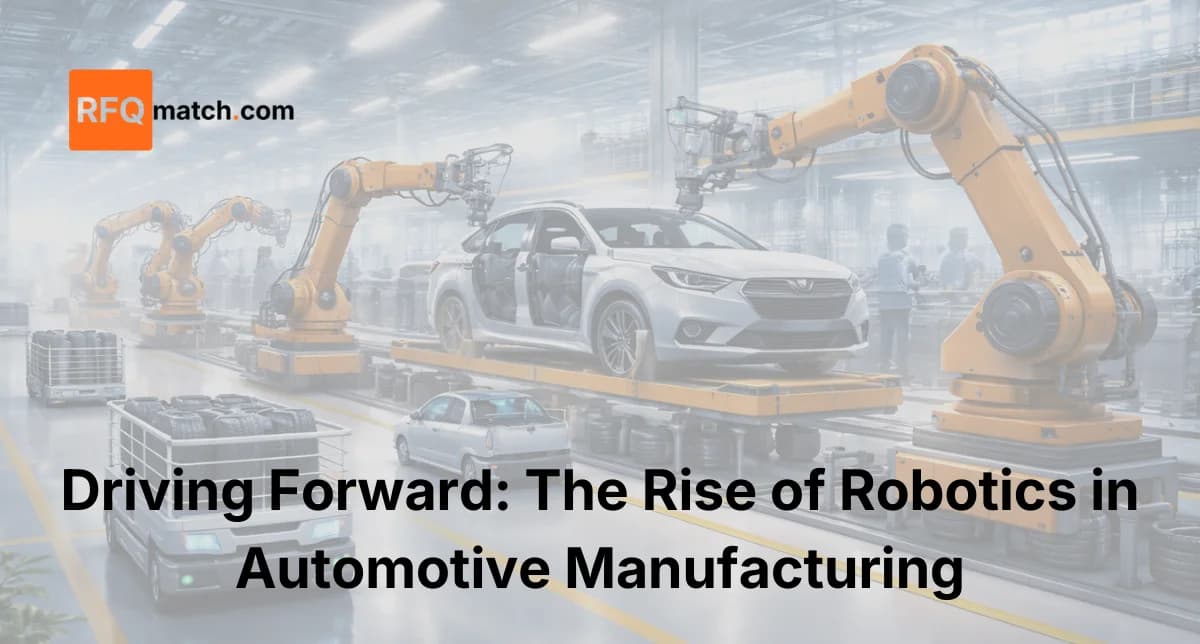
Driving Forward: The Rise of Robotics in Automotive Manufacturing
Exploring the Impact of Robotics and Automation Investments in Automotive Manufacturing
Introduction to Robotics and Automation in the Automotive Industry
The automotive manufacturing landscape is experiencing a significant transformation, driven by substantial investments in robotics and automation. As industry leaders face intense global competition and rapid technological advancements, enhancing operational efficiency and fostering innovation are imperative. Historically, the automotive sector has been swift in adopting cutting-edge technologies, and the integration of robotics and automation represents the next evolutionary leap.
Robotics and automation extend beyond mere operational streamlining; they are pivotal for bolstering sustainability and resilience, especially in volatile markets. As the industry ventures further into the digital age, these technologies promise to transform automotive manufacturing into a more agile, efficient, and sustainable enterprise.
Drivers of Automation Investment in Automotive Manufacturing
Competitive Edge and Cost Control
Amidst tight margins and fierce competition, manufacturers must reduce costs while maintaining quality. Robotics and automation offer significant savings by reducing reliance on manual labor and enhancing production speed and precision.
Consumer and Regulatory Dynamics
Evolving consumer preferences demand manufacturers remain agile and responsive. Additionally, strict regulations on safety, emissions, and sustainability necessitate sophisticated manufacturing techniques that automation provides.
Workforce Challenges
The industry faces an aging workforce and skills shortages. Automation supplements human labor, enabling companies to maintain productivity despite workforce fluctuations.
Market Volatility and Risk Management
Automation serves as a buffer against unpredictable economic conditions, ensuring business continuity by minimizing human error and enabling flexible production schedules.
Case Study: A major automotive manufacturer investing in automated paint shops not only reduced waste through precise application but also improved product quality, boosting customer satisfaction and loyalty.
warning
Brace for Regulatory Pressure Staying compliant with evolving regulations on safety and emissions requires sophisticated automated manufacturing techniques.
Robotics Technologies in High Demand
The rise of robotics in automotive manufacturing is driven by demand for technologies like industrial robots, collaborative robots (cobots), and autonomous mobile robots (AMRs):
- Industrial Robots: Critical for tasks like welding, assembly, and quality inspection, these robots are the backbone of the production line due to their precision and continuous operation capabilities.
- Collaborative Robots (Cobots): Designed to work alongside humans, cobots enhance productivity while ensuring safety. For instance, a Tier 1 supplier's use of cobots in assembly lines reduced workplace injuries and increased throughput.
- Autonomous Mobile Robots (AMRs): Transforming logistics and material handling, AMRs autonomously navigate factory floors, optimizing workflow and reducing transport delays.
A survey by ABB Robotics involving 473 automotive sector executives revealed that 58% plan significant investments in robotic automation within two years, underscoring the industry's commitment to leveraging advanced technologies.
info
Investment Surge in Robotics 58% of automotive sector executives plan significant investments in robotic automation within the next two years.
tip
Enhance Efficiency with AMRs Consider implementing Autonomous Mobile Robots (AMRs) to optimize logistics and reduce transport delays on factory floors.
| Technology | Percentage Planning to Invest | Survey Sample Size |
|---|---|---|
| Robotic Automation | 58% | 473 |
| Collaborative Robots (Cobots) | 57% | 473 |
| Autonomous Mobile Robots (AMRs) | 50% | 473 |
Benefits of Automation in Automotive Production
Productivity and Efficiency
Automating repetitive and hazardous tasks allows manufacturers to allocate human resources to strategic roles, improving product quality and production timelines.
Cost Efficiency
Automation minimizes errors and reduces material waste, crucial in an industry where even minor efficiency gains yield significant financial benefits.
Resilience and Continuity
Automated processes mitigate operational disruptions, enabling continuous manufacturing during crises such as global pandemics or economic downturns.
Sustainability and Environmental Impact
Automation supports sustainability goals by optimizing resource use and reducing waste. For example, an automotive firm utilizing advanced robotics in its paint process significantly cut volatile organic compound (VOC) emissions.
info
Automation Fosters Resilience Automated processes can mitigate disruptions, ensuring continuous manufacturing even during crises like global pandemics.
The Future of Digitalization and Automation in the Automotive Industry
Digitalization and advanced automation technologies are set to redefine automotive manufacturing, facilitating the adoption of Industry 4.0 practices, including IoT, AI, and predictive analytics. These technologies enhance accuracy and foresight in production management.
Example: AI-driven predictive maintenance can preempt equipment failures, minimizing downtime and extending machinery lifespan, while IoT devices provide real-time production metrics, driving efficiency improvements.
Innovation focused on sustainability is another promising area. By managing resources and workflows effectively, automotive manufacturers can pioneer sustainable production models meeting consumer expectations and regulatory requirements.
Q: How can robotics and automation help reduce costs in automotive manufacturing?
A: Robotics and automation reduce costs by minimizing reliance on manual labor and enhancing production speed and precision, which in turn lowers material waste and error rates.
Q: What types of robotics technologies are currently in high demand within the automotive industry?
A: The automotive industry currently demands industrial robots for tasks like welding and quality inspection, collaborative robots (cobots) for working alongside human workers, and autonomous mobile robots (AMRs) for material handling and logistics.
Q: What impact does automation have on sustainability in automotive manufacturing?
A: Automation optimizes resource use and reduces waste, for instance, by improving processes such as paint application to cut emissions and material wastage.
Q: How does automation address workforce challenges in the automotive sector?
A: Automation supplements human labor, thereby ensuring that productivity remains high despite an aging workforce and skills shortages within the industry.
Q: What role does digitalization play in enhancing the benefits of automation?
A: Digitalization, through technologies like IoT and AI, enhances automation by enabling predictive maintenance and real-time production analytics, which improve efficiency and reduce operational disruptions.
Conclusion
Robotics and automation are pivotal to the automotive industry's future. Substantial investments already underway highlight their role as catalysts for immediate operational improvements and long-term competitiveness. Industry leaders must continuously evaluate emerging technologies to navigate a complex landscape. Ongoing research and development in robotics and automation will unlock new opportunities for innovation, fostering a resilient and sustainable automotive ecosystem. By embracing these advancements, the automotive industry is poised for an era of unparalleled efficiency, innovation, and environmental responsibility.
Sources

RFQmatch.com
RFQmatch.com is a platform that connects buyers who submit Requests for Quotation (RFQs) with qualified suppliers, making sourcing faster, easier, and more transparent.
View company profileRelated Articles

The impact of the EU Machinery Regulation 2023/1230 on RFQ questions, supplier selection and monitoring compliance
4 min read

10 Ways Buyers Can Assess and Check Security Compliance of New Suppliers
3 min read

Top 10 Reasons Suppliers Lose RFQ Opportunities
3 min read

Energy Audits Pricing Guide: Understanding Costs and ROI
6 min read

Energy Audit Decision: Simplifying the Choice
3 min read