AI in Logistics: Transforming Efficiency and Innovation
How AI is Reshaping the Logistics Industry
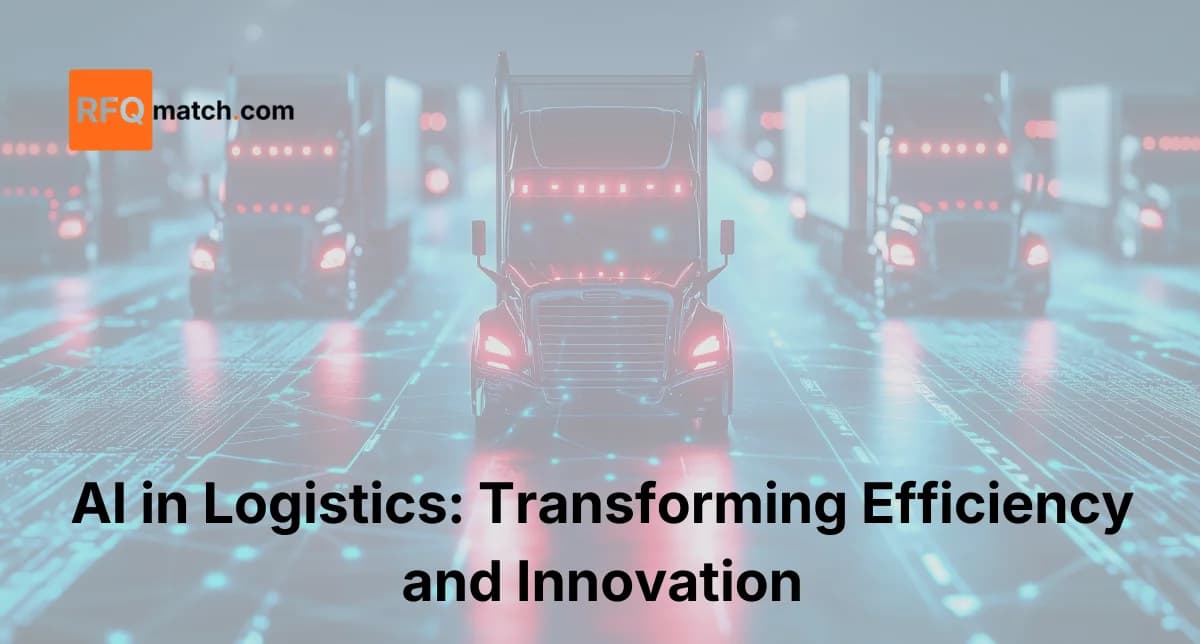
Artificial intelligence (AI) is fundamentally transforming the logistics industry by boosting operational efficiency and fostering innovation. Companies like Van der Most Transport are at the forefront of using AI to revolutionize logistics practices. As the demand for faster and more efficient supply chains increases, leveraging advanced technology is essential for modern logistics companies seeking to stay competitive and sustainable.
Logistics is the backbone of global trade, impacting everything from raw materials to finished products. In this dynamic landscape, AI offers solutions to persistent challenges such as complexities in logistics networks, unforeseen delays, and fluctuating customer demands. By harnessing AI capabilities, companies can turn these challenges into opportunities for innovation and growth.
Collaborations for Success
Building a Cooperative Framework
The successful adoption of AI in logistics often depends on collaborative efforts. Initiatives like the Community of Practice unite industry experts, technology providers, and stakeholders to facilitate AI implementation. These collaborations offer platforms for knowledge sharing and the development of innovative solutions.
tip
Embrace Continuous Learning Staying updated on evolving AI technologies is crucial for logistics professionals to effectively navigate new systems.
The Role of Education and Standards
Involving students in these initiatives introduces fresh perspectives and encourages innovative problem-solving. Partnerships between universities and logistics companies can drive research-driven innovations where academic insights meet practical applications. Moreover, these networks help establish standards and best practices, enabling a smoother AI transition and reducing implementation friction.
Continuous Learning
With technology evolving rapidly, ongoing education and training are crucial, ensuring logistics professionals stay adept at navigating new systems and tools.
AI-Driven Efficiency Enhancements
Optimizing Operations
AI technology optimizes logistics operations through precise planning and execution. By analyzing large datasets, AI reduces errors and enhances decision-making, resulting in superior customer service and faster delivery times. Predictive analytics, for example, can foresee demand spikes, allowing companies to adjust operations and mitigate risks associated with stockouts or overstocking.
stat
Van der Most's Efficiency Boost Van der Most Transport uses AI to optimize routes, significantly reducing idle times and improving fuel efficiency.
Case Study: Van der Most Transport
Van der Most Transport exemplifies commitment to streamlined operations through strategic AI use. The company employs advanced algorithms for optimal routing and scheduling, significantly reducing idle times and improving fuel efficiency. This approach enhances customer satisfaction and supports cost management by lowering operational expenditures.
Real-Time Visibility
AI enables real-time visibility into supply chain processes. Machine learning models can predict potential disruptions, allowing logistics managers to make informed decisions and ensure smooth operations even under challenging conditions. This adaptability signifies a significant shift toward more efficient logistics management.
| Implementation Area | Benefits | Example |
|---|---|---|
| Optimal Routing | Reduced idle times, improved fuel efficiency | Van der Most Transport |
| Predictive Analytics | Foresees demand spikes, adjusts operations | General logistics application |
| Real-Time Visibility | Predicts disruptions, smooth operations | AI-driven management |
Sustainability and AI
Eco-Friendly Innovations
Integrating AI in logistics promotes sustainable practices by reducing resource consumption and environmental impact. AI technologies enable more efficient route planning and load optimization, dramatically decreasing fuel usage and emissions. For instance, AI systems can analyze traffic patterns and weather conditions to suggest eco-friendly routes.
insight
AI Fuels Sustainability AI in logistics not only enhances efficiency but also reduces environmental impact by optimizing routes and load management.
Long-Term Impact
The long-term impact of AI on sustainable logistics is substantial. Optimized operations allow companies to achieve sustainability goals while enhancing performance. Businesses prioritizing sustainability not only comply with regulatory requirements but also build brand loyalty among eco-conscious consumers.
Promoting a Circular Economy
AI-driven inventory management ensures precision in stock levels, reducing waste and promoting a circular economy. Through intelligent resource allocation, logistics companies contribute to broader environmental goals while maintaining profitability.
Future of AI in Logistics
Anticipating Innovations
The future of AI in logistics promises exciting developments and opportunities. As technology progresses, significant transformations in areas like automation, predictive analytics, and real-time tracking are anticipated. Autonomous vehicles and drones, powered by AI, may soon become integral components of supply chains, streamlining last-mile deliveries and reducing costs.
warning
Prepare for AI Disruptions AI-driven innovations like autonomous vehicles may soon disrupt supply chains, necessitating adaptive strategies to maintain competitiveness.
Strategic Vision
Van der Most Transport plans to expand AI initiatives, focusing on emerging technologies that enhance operational efficiency. Their future-oriented approach includes investing in blockchain for improved transparency and cybersecurity in logistical transactions.
Adapting to Change
Maintaining a culture of innovation and collaboration is crucial as the logistics industry evolves. Companies must adopt flexible strategies to adapt to new technological landscapes, ensuring they remain relevant and competitive.
Q: How does AI improve efficiency in logistics operations?
A: AI improves logistics efficiency by optimizing routing and scheduling, which reduces idle times and enhances fuel efficiency. Predictive analytics allow companies to foresee demand changes and adjust operations accordingly. This leads to faster delivery times and superior customer service.
Q: What role do collaborations play in the successful adoption of AI in logistics?
A: Collaborations unite industry experts, technology providers, and stakeholders to implement AI effectively. They facilitate knowledge sharing and the development of innovative solutions, which help in establishing best practices and standards for AI adoption.
Q: How does AI contribute to sustainability in logistics?
A: AI contributes to sustainability by enabling efficient route planning and load optimization, which reduces fuel consumption and emissions. It also supports precise inventory management, minimizing waste and promoting a circular economy.
Q: What future developments in AI could impact the logistics industry?
A: Future AI developments in logistics include automation, predictive analytics, and real-time tracking. The integration of autonomous vehicles and drones could become essential, transforming last-mile deliveries and further reducing costs.
Conclusion
AI plays a pivotal role in optimizing logistics, offering opportunities to improve efficiency, reduce costs, and promote sustainability. The necessity of innovation and collaboration is clear for industry growth, equipping logistics professionals to adapt to technological advances.
As AI continues to evolve, embracing these technologies will be vital for logistics companies aiming to remain competitive and environmentally responsible. Investing in AI not only prepares firms for the future but also aligns them with broader societal shifts toward digitalization and sustainability.
In essence, the integration of AI in logistics is not just a technological upgrade; it's a transformational journey toward a smarter, more resilient, and sustainable future.
Sources

RFQmatch.com
RFQmatch.com is a platform that connects buyers who submit Requests for Quotation (RFQs) with qualified suppliers, making sourcing faster, easier, and more transparent.
View company profileRelated Articles

The impact of the EU Machinery Regulation 2023/1230 on RFQ questions, supplier selection and monitoring compliance
4 min read

10 Ways Buyers Can Assess and Check Security Compliance of New Suppliers
3 min read

Top 10 Reasons Suppliers Lose RFQ Opportunities
3 min read
Energy Audits Pricing Guide: Understanding Costs and ROI
6 min read
Energy Audit Decision: Simplifying the Choice
3 min read